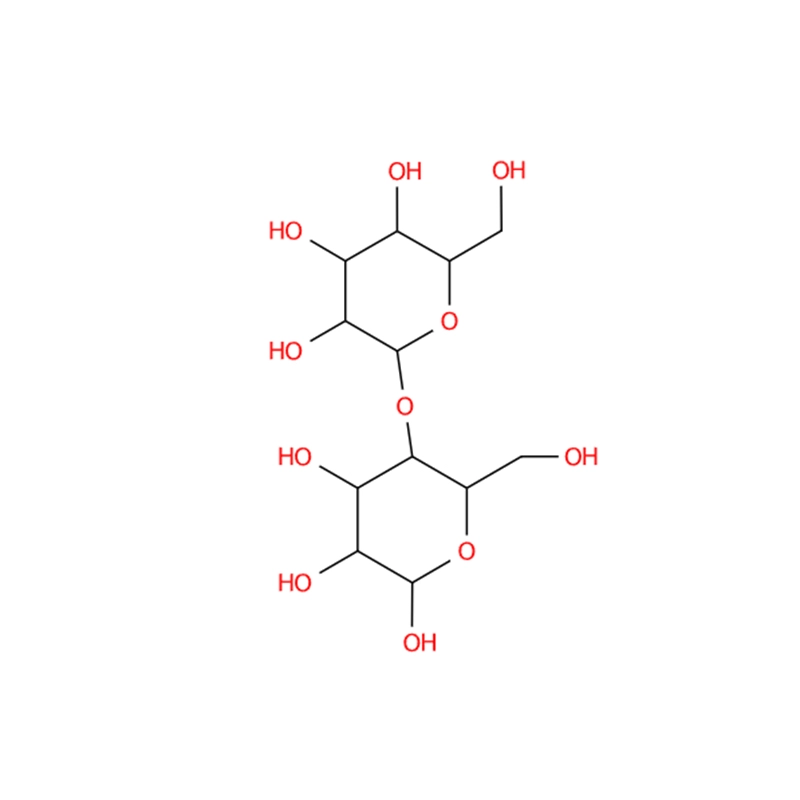
Product Description of Microcrystalline Cellulose CAS#9004-34-6
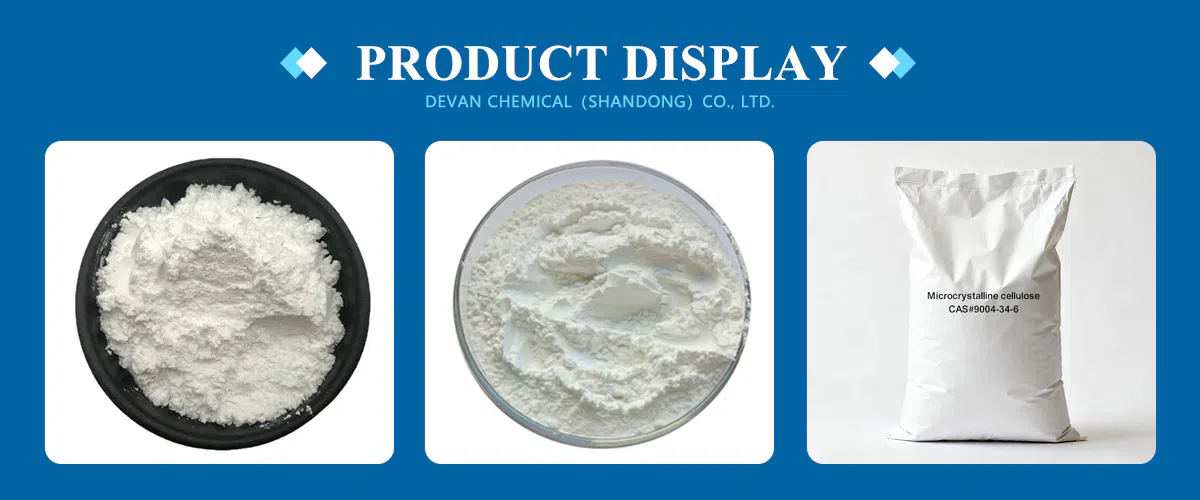
Shortened as MCC, microcrystalline cellulose is produced through the regulated acid hydrolysis of natural-source cellulose to obtain a low-polymerization-degree substance. This substance presents as white or off-white fine powder with no smell and zero peculiar flavour, and its particle-size scope falls between 2-80 μm.
This material possesses many favourable traits such as low bulk density, high elastic modulus, renewable property, biodegradable capacity and plentiful raw-material supplies. It is commonly adopted as a strengthening filler inside composite materials for boosting comprehensive material properties.
Microcrystalline Cellulose Chemical Properties
| Melting point | 76-78 °C(Solv: acetone (67-64-1); chloroform (67-66-3)) |
| density | 1.5 g/cm3 (20℃) |
| refractive index | n20/D 1.504 |
| Fp | 164 °C |
| storage temp. | room temp |
| solubility | Practically insoluble in water, in acetone, in anhydrous ethanol, in toluene, in dilute acids and in a 50 g/L solution of sodium hydroxide |
| form | powder |
| color | White or almost white |
| PH | 5-7.5 (100g/l, H2O, 20℃)(slurry) |
| Odor | Odorless |
| Water Solubility | insoluble |
| Merck | 141965 |
| Exposure limits | ACGIH: TWA 10 mg/m3 |
| OSHA: TWA 15 mg/m3; TWA 5 mg/m3 | |
| NIOSH: TWA 10 mg/m3; TWA 5 mg/m3; TWA 1 mg/m3 | |
| Dielectric constant | 3.2(Ambient) |
| Stability: | Stable. Combustible. Incompatible with strong oxidizing agents. |
| InChIKey | UFHFLCQGNIYNRP-UHFFFAOYSA-N |
| EPA Substance Registry System | Cellulose (9004-34-6) |
| Hazard Codes | Xi |
| Risk Statements | 37 |
| Safety Statements | 24/25 |
| OEB | B |
| OEL | TWA: 10 mg/m3 (total) |
| WGK Germany | 3 |
| RTECS | FJ5950200 |
| F | 3 |
| Autoignition Temperature | 232 °C |
| TSCA | Yes |
| HS Code | 39129090 |
| Toxicity | LD50 orally in Rabbit: > 5000 mg/kg LD50 dermal Rabbit > 2000 mg/kg |
Product Application of Microcrystalline Cellulose CAS#9004-34-6
Microcrystalline cellulose (MCC) is a highly versatile excipient and functional additive derived from purified plant cellulose.
In pharmaceutical manufacturing, it serves as a primary filler, binder and disintegrant for tablets and capsules, and is especially valued in direct-compression processes for its excellent compressibility, flowability and moisture-absorption properties.
In the food sector, it acts as a source of insoluble dietary fiber, an anti-caking agent, an emulsion stabilizer and a texture modifier, contributing to the production of low-calorie and high-fiber products.
Beyond these fields, MCC is also utilized in cosmetics for thickening and gentle exfoliation, as well as in industrial filtration as a filter aid. Owing to its biocompatibility, chemical inertness and wide regulatory acceptance, it is regarded as one of the most widely used cellulose-based excipients on the global market.