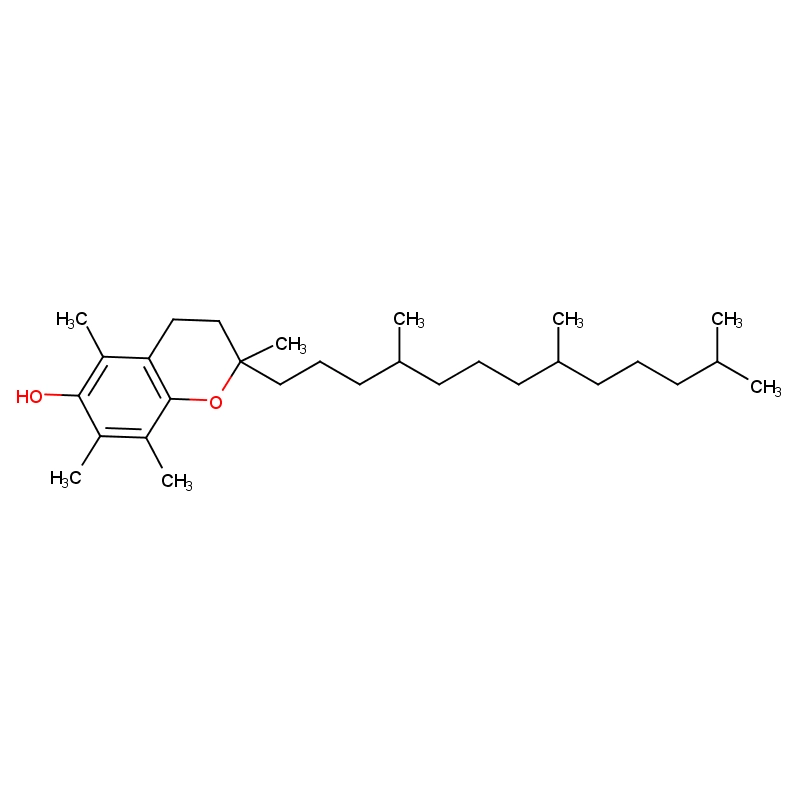
Product Description of Vitamin E CAS#59-02-9
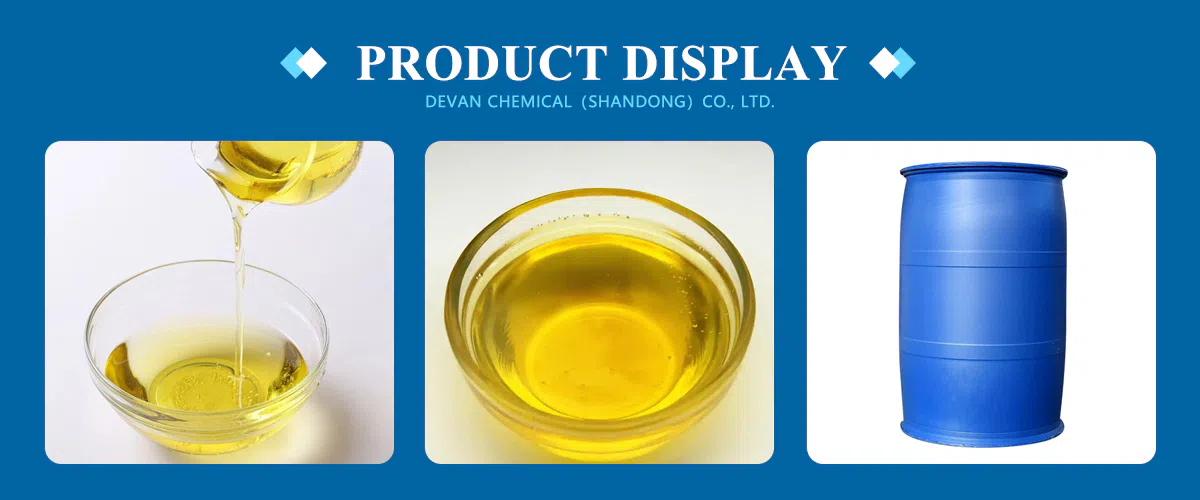
Vitamin E (d-α-Tocopherol) is an oily liquid ranging from reddish-brown to clear pale yellow, with a mild characteristic aroma. It dissolves readily in ethanol, acetone, ether, chloroform and vegetable oils, while practically insoluble in water. It has a high boiling point around 200°C and good thermal stability. However, long-term exposure to air and light will cause oxidation and darken the liquid to deep red.
As a natural lipid-soluble antioxidant, Vitamin E is a widely used functional raw material. It is commonly added into food products, dietary supplements and cosmetic formulations for its antioxidative property. It helps protect formulations from oxidative degradation and is well compatible with oil-based formula systems for multiple downstream applications.
Vitamin E Chemical Properties
| Name | Vitamin E |
| Synonyms | (+)-ALPHA-TOCOPHEROL |
| (+)-a-Tocopherol | |
| (2R)-2,5,7,8-tetramethyl-2-[(4R,8R)-4,8,12-trimethyltridecyl]-3,4-dihydro- | |
| 2H-chromen-6-ol | |
| (2R)-2,5,7,8-TETRAMETHYL-2-[(4R,8R)-4,8,12- | |
| TRIMETHYLTRIDECYL]CHROMAN-6-OL | |
| (2R)-3,4-Dihydro-2,5,7,8-tetramethyl-2-[(4R,8R)-4,8,12- | |
| trimethyltridecyl]-2H-1-benzopyran-6-ol | |
| (2R,4'R,8'R)-a-Tocopherol | |
| (all-R)-a-Tocopherol | |
| (R)-2,5,7,8-tetramethyl-2-((4R,8R)-4,8,12-trimethyltridecyl)-3,4-dihydro- | |
| 2H-chromen-6-ol | |
| [2R-2R*(4R*,8R*)]-3,4-Dihydro-2,5,7,8-tetramethyl-2-(4,8,12- | |
| trimethyltridecyl)-2H-1-benzopyran-6-ol | |
| CAS | 59-02-9 |
| CID | 14985 |
| EINECS(EC#) | 200-412-2 |
| Molecular Formula | C29H50O2 (isomer) |
| Inchi | InChI=1S/C29H50O2/c1-20(2)12-9-13-21(3)14-10-15-22(4) 16-11-18-29(8)19-17-26-25(7)27(30)23(5)24(6)28(26)31-29/h 20-22,30H,9-19H2,1-8H3/t21-,22-,29-/m1/s1 |
| InChIkey | GVJHHUAWPYXKBD-IEOSBIPESA-N |
| Canonical Smiles | CC1=C(C2=C(CCC(O2)(C)CCCC(C)CCCC(C)CCCC(C)C)C(=C1O)C)C |
| Isomers Smiles | CC1=C(C2=C(CC[C@@](O2)(C)CCC[C@H](C)CCC[C@H](C)CCCC(C)C)C(=C1O)C)C |
| Density | 0.93 |
| Melting point | 2.5-3.5℃ |
| Boiling point | 200-220℃ (0.07501 mmHg) |
| Refractive index | n20/D 1.505(lit.) |
| Flash Point | 253 °C |
| Vapour Pressure | 0.0±1.2 mmHg at 25°C |
| Precise Quality | 430.381073 |
| PSA | 29.46 |
| logP | 8.8402 |
| Appearance | Yellow to amber-colored oily liquid |
| Odo | Little or no odo |
| pKa | 11.40±0.40(Predicted) |
| Water Solubility | Practically insoluble in water, freely soluble in acetone, in anhydrous ethanol, in methylene chloride and in fatty oils. |
| Spectral Properties | MAX ABSORPTION (METHANOL): 292 NM (LOG E= 3.54); DECOMP @ 350 DEG C; SADTLER REF NUMBER: 10277 (IR, PRISM) |
| IR: 18246 (Sadtler Research Laboratories IR Grating Collection) | |
| UV: 20771 (Sadtler Research Laboratories Spectral Collection) | |
| NMR: 366 (Varian Associates NMR Spectra Catalogue) | |
| MASS: 33141 (NIST/EPA/MSDC Mass Spectral database, 1990 version) | |
| Specific optical rotation: +0.65 at 25 deg C/D (alc) | |
| Stability | Stable. Combustible. May be sensitive to light and air. Incompatible with strong oxidizing agents. |
| StorageTemp | -20°C |

Product Applications of Vitamin E CAS#59-02-9
Vitamin E is a popular functional ingredient widely incorporated into over-the-counter preparations and topical skincare products as well as nutritional supplements. Relevant research is still ongoing to further verify its performance for these application scenarios.
Meanwhile, tocopherols are classified as GRAS (Generally Recognized As Safe) materials when applied in compliance with standardized good manufacturing and feeding protocols. Typical uses include preservatives for veterinary pharmaceuticals, animal feed and related feed additives, plus nutritional fortifiers and dietary supplements for animal medicines and feed derivatives. Similarly, alpha-tocopherol acetate holds GRAS status as a nutritional raw material and dietary supplement for veterinary drugs and animal feeds, subject to compliance with formal good manufacturing practices.